Implants That Fit You,
Down to the Fiber
Engineering mechanically robust, fibrous human tissues through advanced bioprinting.
A Bioprinting Platform Built Around Fiber and Structure
Collagen is the most abundant protein in the human body, forming the basic building blocks of the fibrous, mechanically robust structures that make up the majority of the human body. Klona Biotech is developing the first bioprinting system specifically designed to print regenerative implants for these fibrous human tissues.
Native tissue is fibrous. Most implants aren't.
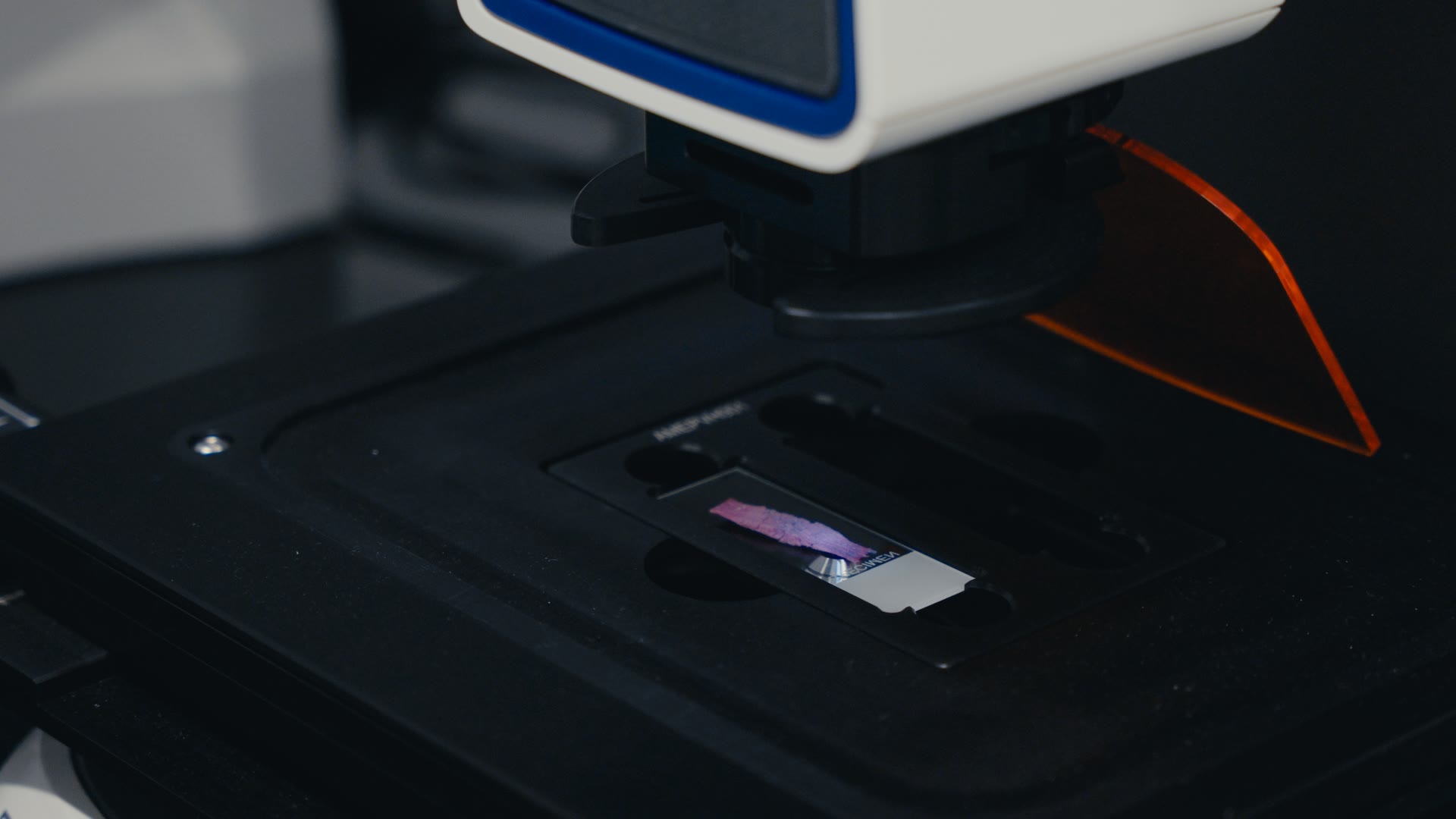
The tissues that carry load in your body, like tendons, ligaments, cartilage, and muscles, are made up of a network of precisely organized protein fibers. Reproducing that microarchitecture is the design rationale behind our work, and our preclinical program is testing whether it can improve integration relative to non-fibrous implants and avoid the supply and donor-site limitations of donor tissue.
Replicating not just structure, but the mechanics.
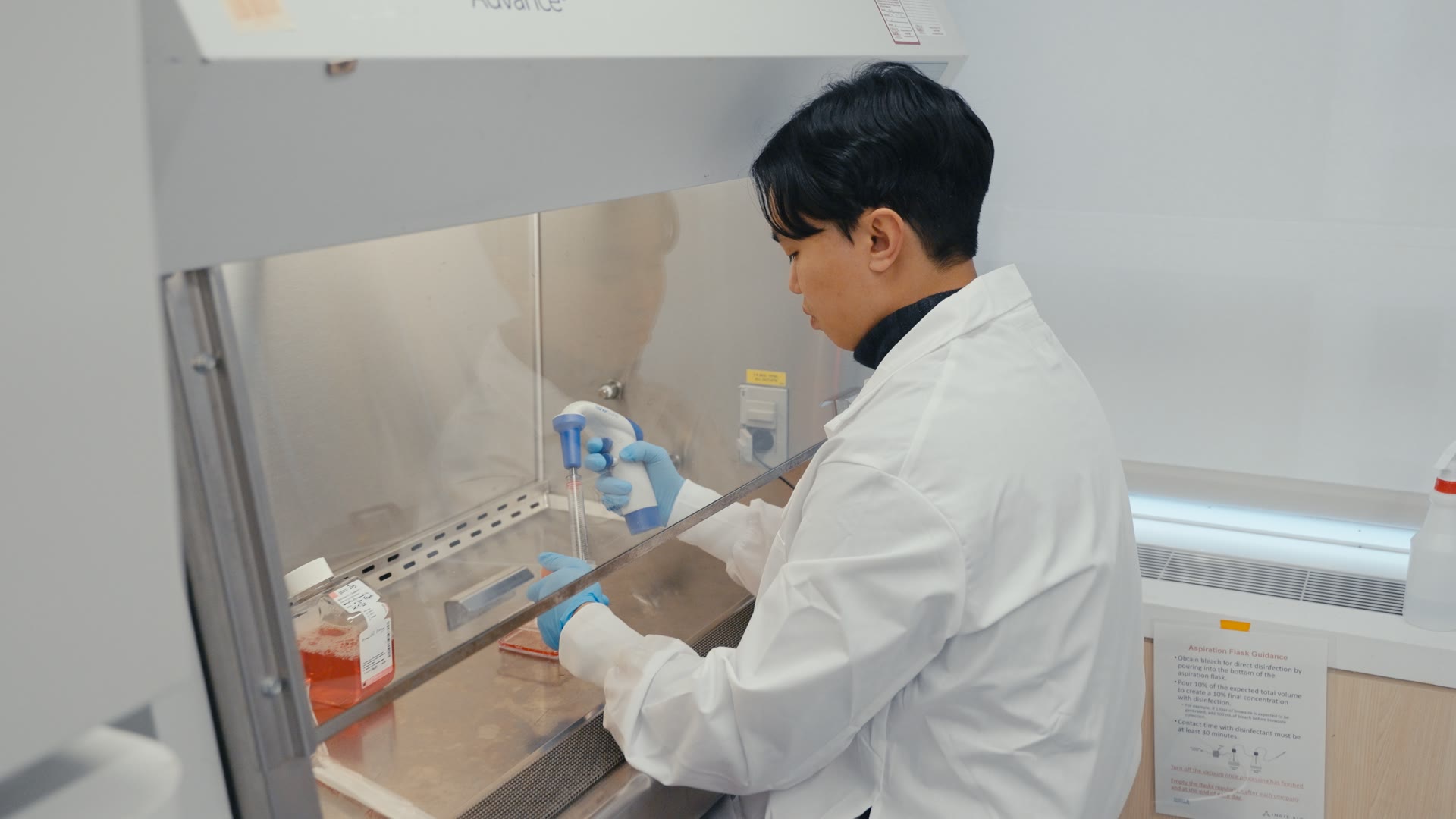
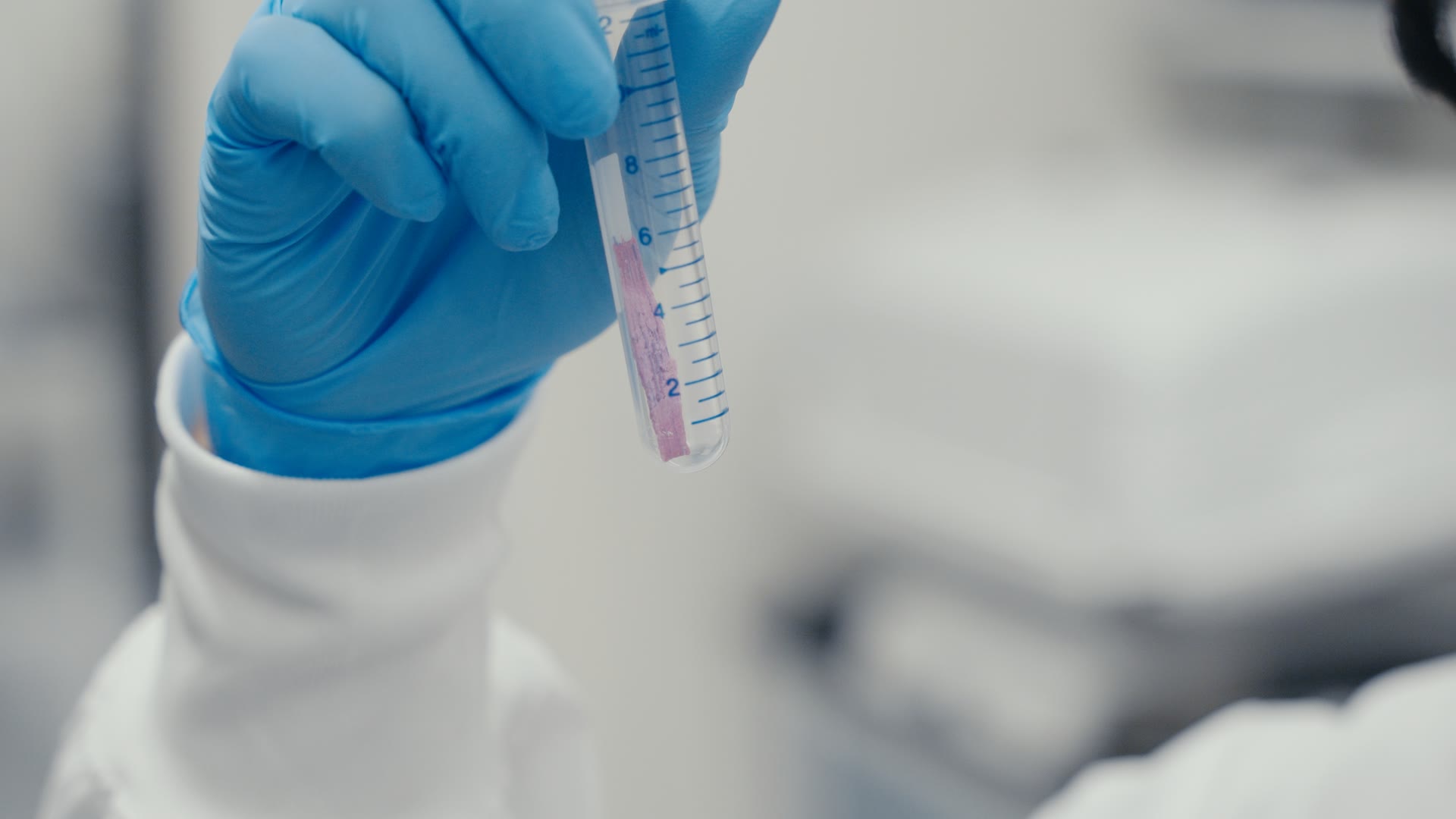
Klona's bioprinting platform brings together a unique union of in-house developed software, hardware, and material science all developed from the ground up for this purpose of fibrous mechanical tissue printing. Our system's unique capabilities let us not only produce constructs that replicate the fibrous microarchitecture of structural tissues, but also the strength and flexibility necessary for their function. We are now evaluating in preclinical studies whether such constructs can reinforce injured tissue during healing.
One platform, many tissues.
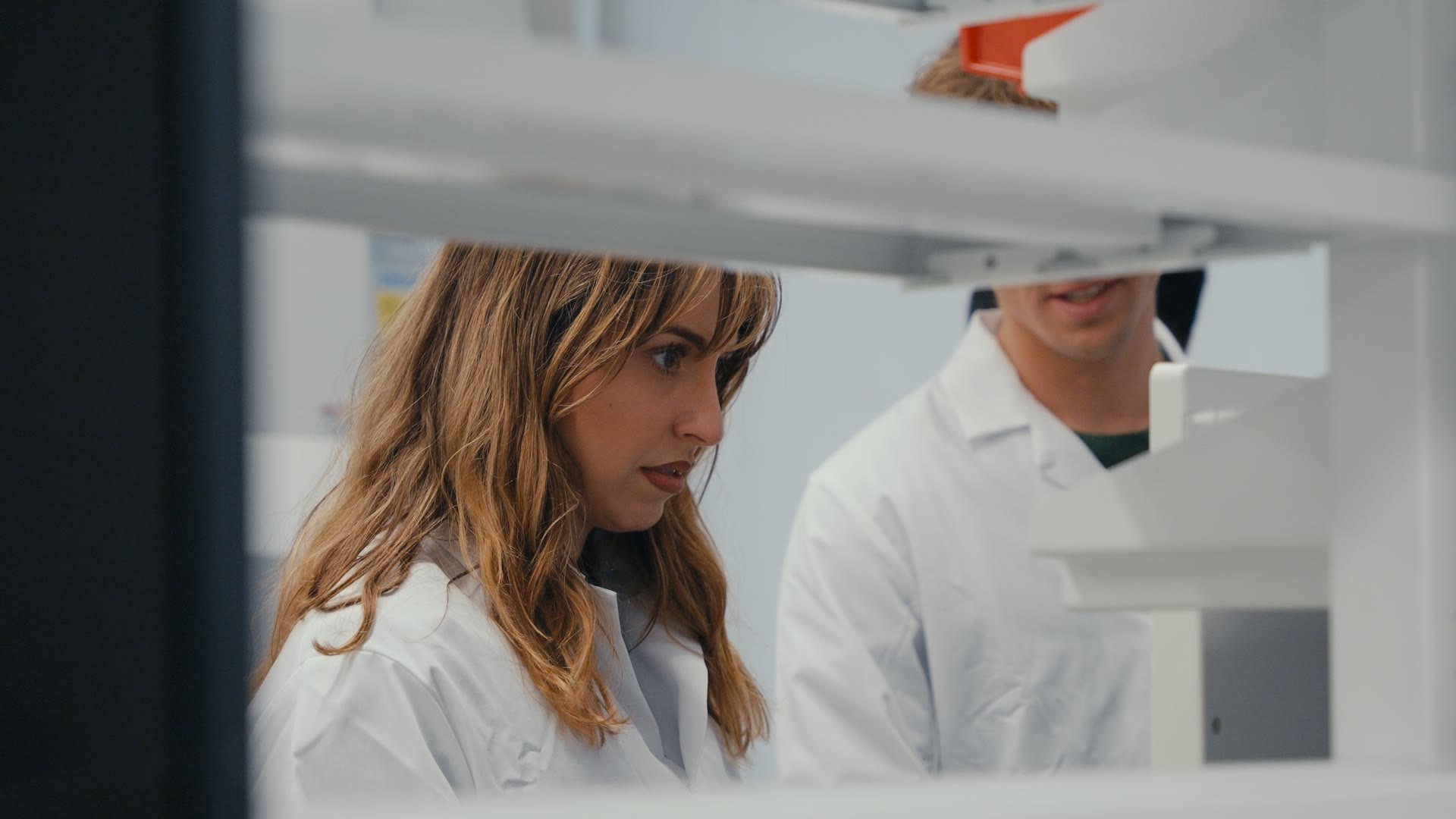
Controlling fiber architecture is a general capability, not a single-product trick. Structural tissues make up over 90% of reconstruction procedures, all of which are essentially composed of differently oriented protein fibers. The same printing platform that builds a rotator cuff tendon could be used to print a meniscus or spinal disc with a few alterations.
Starting With Tendons and Ligaments
We've chosen as our first target a 3D-printed medical implant to repair tendons and ligaments. Tendons are one of the most mechanically demanding tissues in the body, and one where today's surgeries consistently fall short.
Why Tendons First?
Strong, highly fibrous, and slow to heal on their own. Frequent re-tears and chronic loss of function. This makes them a demanding target that our approach is designed to address.
3D Printing Manufacturing
Printed end to end with no donor tissue, letting us produce them consistently and at scale. 3D printing lets us rapidly switch between tendons like the rotator cuff and Achilles, or even ligaments like the ACL by simply altering the printed geometry.
The Springboard of a New Generation
We are rapidly proving out our technology, manufacturing, and clinical pathway with this first tissue type. This is the foundation for a new generation of 3D-printed tissues.
A Platform for Developing New Medical Implants
We're starting with tendons. Next comes a whole array of 3D-printed tissues and implants, all from one disruptive platform.
Tendon Repair Implant
Our lead program: a 3D-printed implant engineered to match the strength and fibrous structure of native tendons. Rapidly extendable to ligaments.
Meniscus Repair
Extending the same platform to compressive load-bearing tissues where fiber alignment and mechanics are also critical.
On-Demand Personalized Implants
Strong, regenerative, patient-specific implants produced on demand, fully leveraging 3D bioprinting. A path towards making bioprinting systems as common in hospitals as an MRI.
Building the Future of Fibrous Tissue
We're a multidisciplinary team of engineers and scientists turning bioprinting into real, patient-ready implants. If that's a mission you want to be part of, we'd love to hear from you.

Dylan Yeo
Co-Founder & CEO
Dylan began an MD-PhD track at the University of Oxford specializing in musculoskeletal tissue engineering, funded by the Kennedy Trust Ox-Ken Studentship, but left the program to focus full-time on Klona Biotech. He has NZ Scholarships in Biology, Physics, and History, and has leadership experience as a sergeant in Singapore's elite Intelligence Recon formation. He co-founded the Oxford Biohacking Society, helping it grow to its current 500+ members; is a Foresight Institute longevity grantee, and is part of the first UK cohort of Fifty Years' 5050 program.

Thomas Groom
Co-Founder & CTO
Thomas holds an MSc in Human and Biological Robotics from Imperial College London and has received Laidlaw and Arkwright Scholarships, as well as the IET Prize for academic excellence. He has hands-on experience in rapid prototyping and product development from his time at Rolls-Royce Motor Cars. Motivated to translate research into impact, Thomas stepped away from a PhD at Imperial to pursue Klona Biotech full-time.

Anne Behre, PhD
Founding Biomedical Engineer
Anne Behre, PhD, is a biomedical engineer with expertise in tissue engineering, extracellular matrix biomaterials, and advanced 3D bioprinting. She completed her PhD at Carnegie Mellon University (CMU) under Adam Feinberg and has led interdisciplinary collaborations across academia and industry. Anne is a recipient of an NSF Graduate Research Fellowship and the CMU Graduate Student Service Award. Anne earned her undergraduate degree in bioengineering at Lehigh University, where she was a Clare Boothe Luce research scholar and an Iacocca International Intern Research Scholar.
Omri Elhanati
Founding Mechanical Engineer
Omri is a mechanical engineer with extensive experience in complex electro-mechanical systems and product development. Working for the leaders in industrial 3D printing, Omri contributed to the design and development of advanced, high-precision technological platforms, specializing in end-to-end mechanical design with a focus on robustness, performance, and efficiency. Omri has led cross-functional initiatives involving mechanical, chemistry, and software teams, delivering high-impact solutions in multidisciplinary environments.

Kai Latham
Founding Mechanical Engineer
Kai is a recent graduate from the University of Massachusetts Amherst with a BSc in Biomedical Engineering. He has experience in prototyping and product development while working for Biom Technologies on air purification via moss. At Klona Biotech he is applying his interests in bioprinting to develop the mechanical aspects of our bioprinter platform.

Brishti Miller
Research Associate
Brishti is an aspiring molecular biologist and entrepreneur, and a recent graduate of Imperial College London with a BSc (Hons) in Biochemistry. Beside her academic achievements, she gained research and leadership experience at deep-tech start-ups. She also pursued her own entrepreneurial project through Imperial's Faculty of Natural Sciences Make-A-Difference competition. Brishti is now applying her curiosity for cutting-edge biotech research at Klona Biotech as a research assistant, where she works primarily in tissue engineering.

Alex Goodenbour
Computational Software Engineer
Alex holds a MASt degree in Mathematics from the University of Cambridge and is completing a PhD in Mathematical Physics at the University of Oxford. His research focuses on geometric representations of scattering amplitudes in gauge theories and gravity as part of the Simons Collaboration on Celestial Holography. At Klona Biotech, he plays a key role in developing the slicing software that powers our bioprinter platform.
Advisors

Susan Alpert, MD, PhD
Regulatory Advisor
Former Chief Regulatory Officer at Medtronic

Victoria Webster-Wood, PhD
Technical Advisor
Associate Professor of Mechanical Engineering at Carnegie Mellon
Investors and Funders








Member of